Guided experience
Dimitsana through the centuries
A guided route from ancient Teuthis to contemporary heritage protection.
Follow the long arc of Dimitsana’s identity: ancient Arcadia, monastic life, education, gunpowder, revolution and preservation.

Before you start
This story is designed as the best first journey through the timeline. It selects the moments that give a visitor the clearest sense of how Dimitsana became a place of memory, learning and resistance.
The Ancient City of Teuthis

An ancient Arcadian city tied to Pausanias, myth, civic memory and the wider landscape of Dimitsana.
It anchors Dimitsana in the much older Arcadian landscape of myth, civic life and ancient settlement.
Teuthis and the Arcadian League

Teuthis enters the wider story of Arcadian federal politics around the foundation of Megalopolis.
It connects local ancient memory with the larger Arcadian experiment of federation, defense and political reorganization.
Pausanias visits Teuthis

Describes a walled city with an Acropolis and Athena’s statue with a bandaged thigh.
Pausanias preserves a rare written window into the ancient city and its sacred landscape.
Philosofou Monastery
One of Greece’s oldest monastic monuments.
It connects the Lousios Gorge with monastic life, learning, landholding and the long spiritual memory of the region.
First Mention of Dimitsana

A historic Arcadian town linking faith, learning, and the fight for freedom.
The early reference turns Dimitsana from a place of memory into a named historical community.
Early Hermitages at Prodromos Monastery
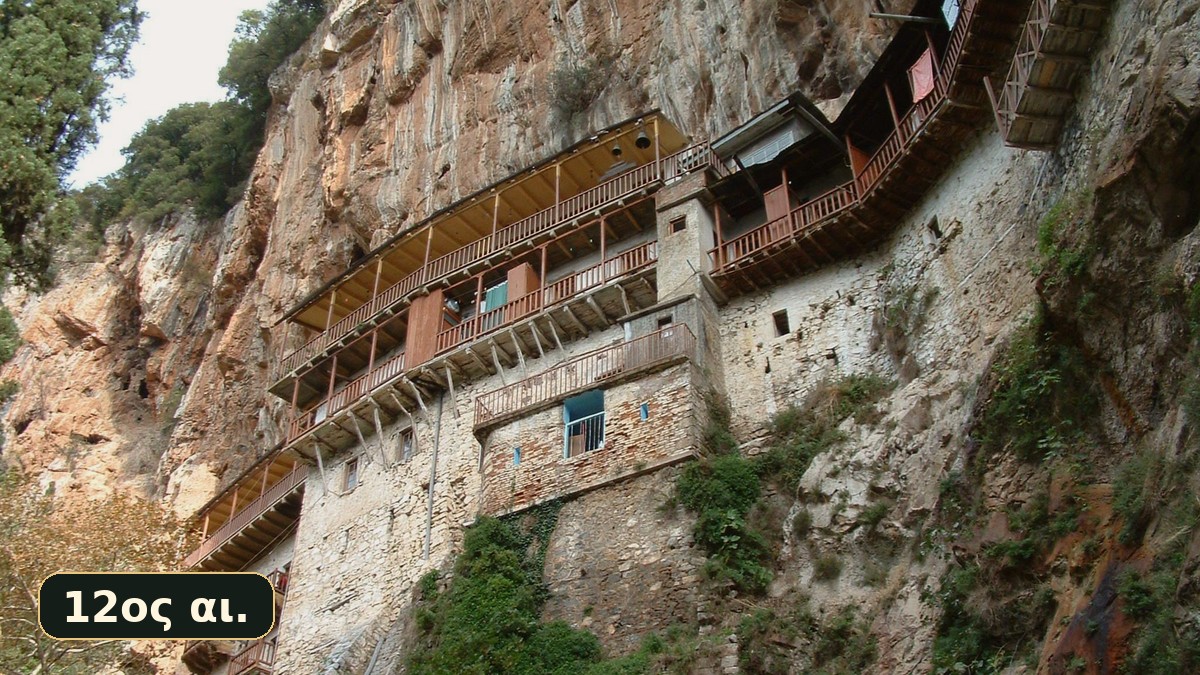
The Prodromos site preserves memories of earlier hermitages and a church tradition reaching back to the medieval Lousios.
It explains why the Lousios cliffs became a long-lived monastic landscape before the better-documented post-Byzantine monastery.
The New Philosophou Monastery
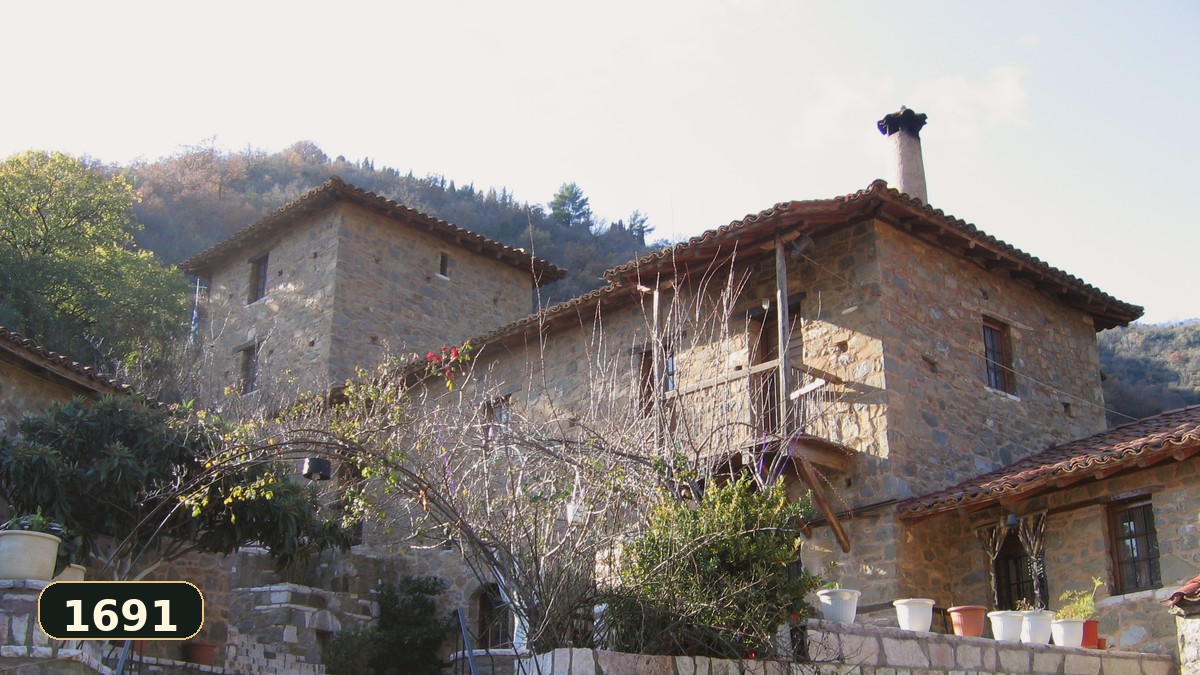
The newer katholikon of Philosophou Monastery is founded in 1691 and decorated in 1693.
It shows the continuity of the Philosofou tradition from the rock-cut monastery to a later organized monastic complex.
Birth of Gregory V

Three-time Ecumenical Patriarch, executed in 1821, remembered as a saint and national martyr.
Gregory V links Dimitsana with the highest level of Orthodox leadership and with the martyr memory of 1821.
Dimitsana School Founded

From monastic learning to an organized educational institution in 18th-century Dimitsana.
It marks the moment when Dimitsana became a major center of Greek letters, linking monastic learning, community patronage and revolutionary-era education.
Papaflessas studies at Dimitsana
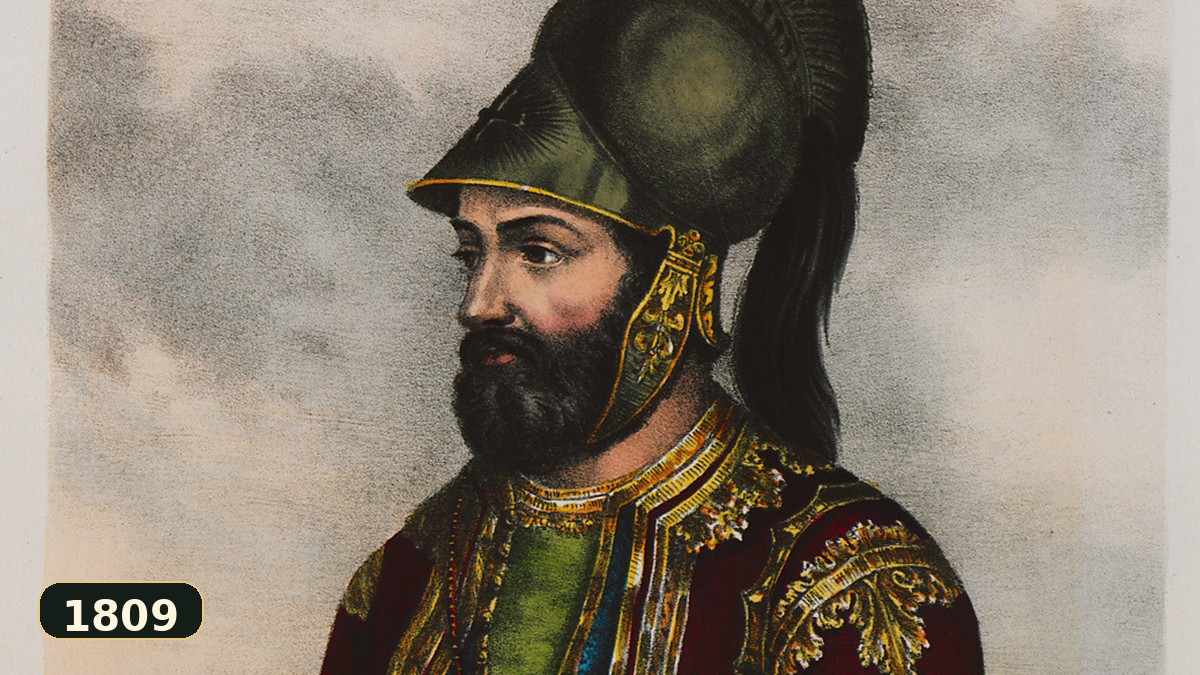
Georgios Dikaios, later Papaflessas, studies at the renowned School of Dimitsana.
It shows how the School of Dimitsana educated not only clergy, but future revolutionary personalities.
Dimitsana and the 1821 Revolution

Education and gunpowder fueled Dimitsana’s decisive role in Greece’s fight for freedom.
It reveals the technical world behind the famous revolutionary memory of Dimitsana: knowledge, water power and gunpowder.
Martyrdom of Patriarch Gregory V
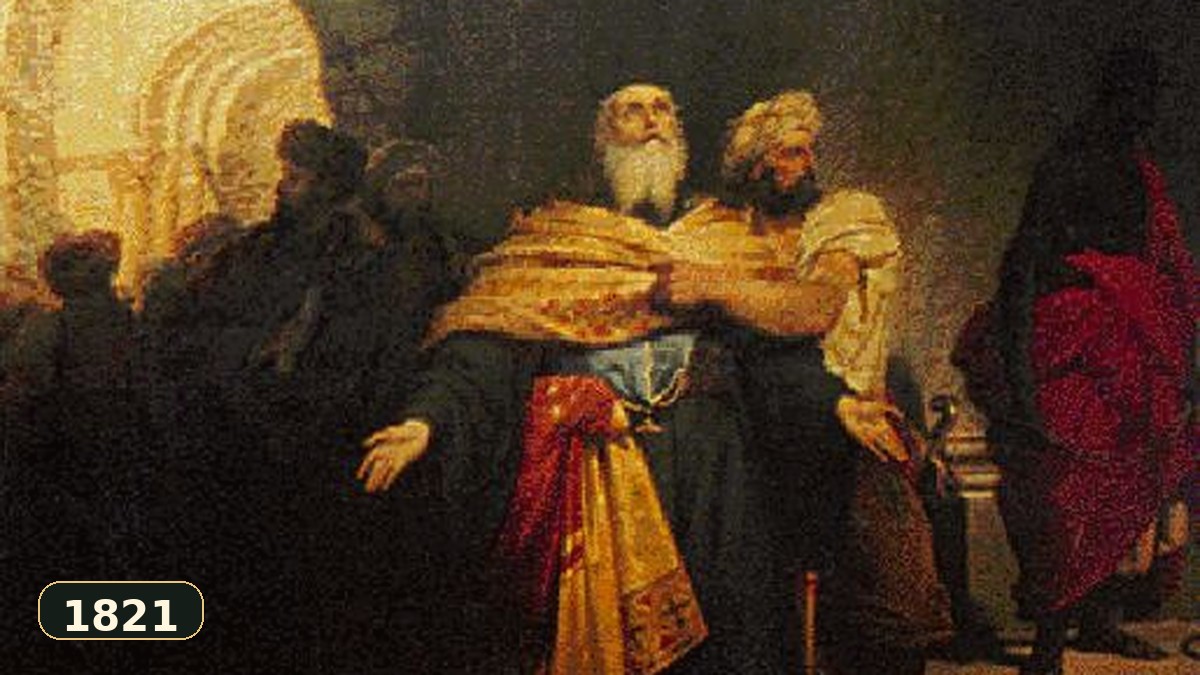
Patriarch Gregory V is executed in Constantinople on 10 April 1821, becoming a symbol of the Revolution’s sacrifice.
It is one of the strongest symbolic bridges between Dimitsana, Orthodoxy and the Greek Revolution.
The Library building at Agia Kyriaki Square
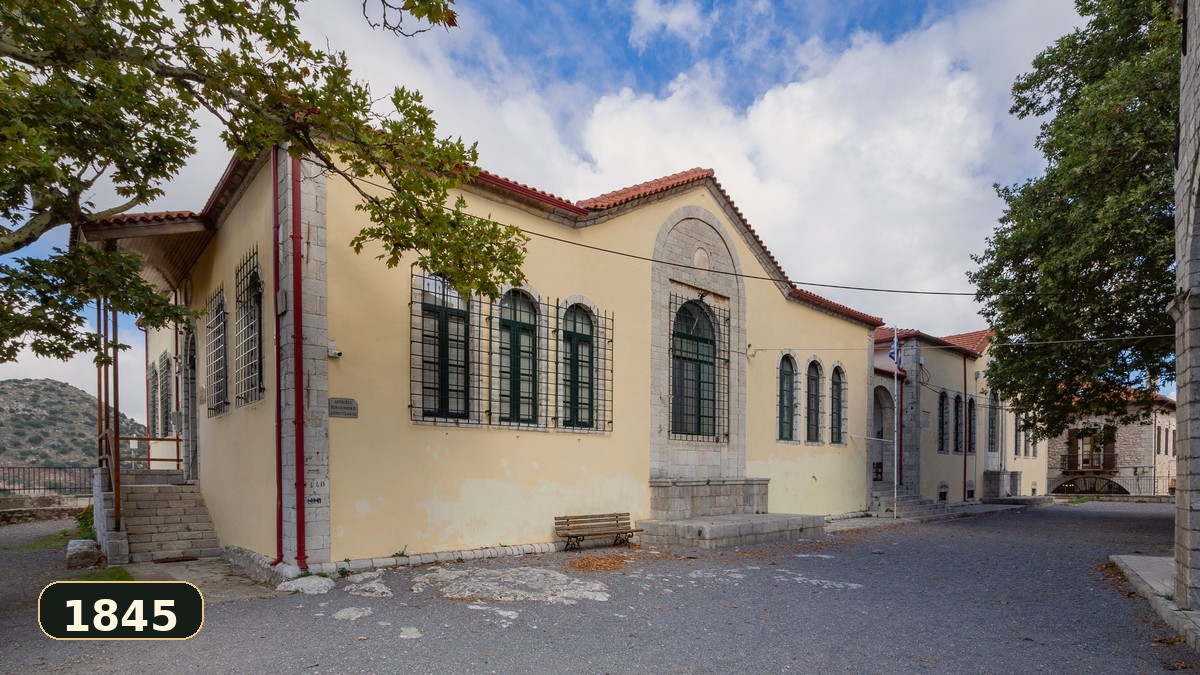
The Library building is erected in 1845 on the site of the School, funded by Nikolaos Makris.
The building joins the School, the Library, Agia Kyriaki square, architecture and benefaction into one central civic landmark.
Open-Air Water Power Museum

A living showcase of water-powered crafts and history in Arcadia.
The museum turned old productive technology into living heritage and helped Dimitsana become an alternative cultural destination.
Mikis Theodorakis in exile at Zatouna
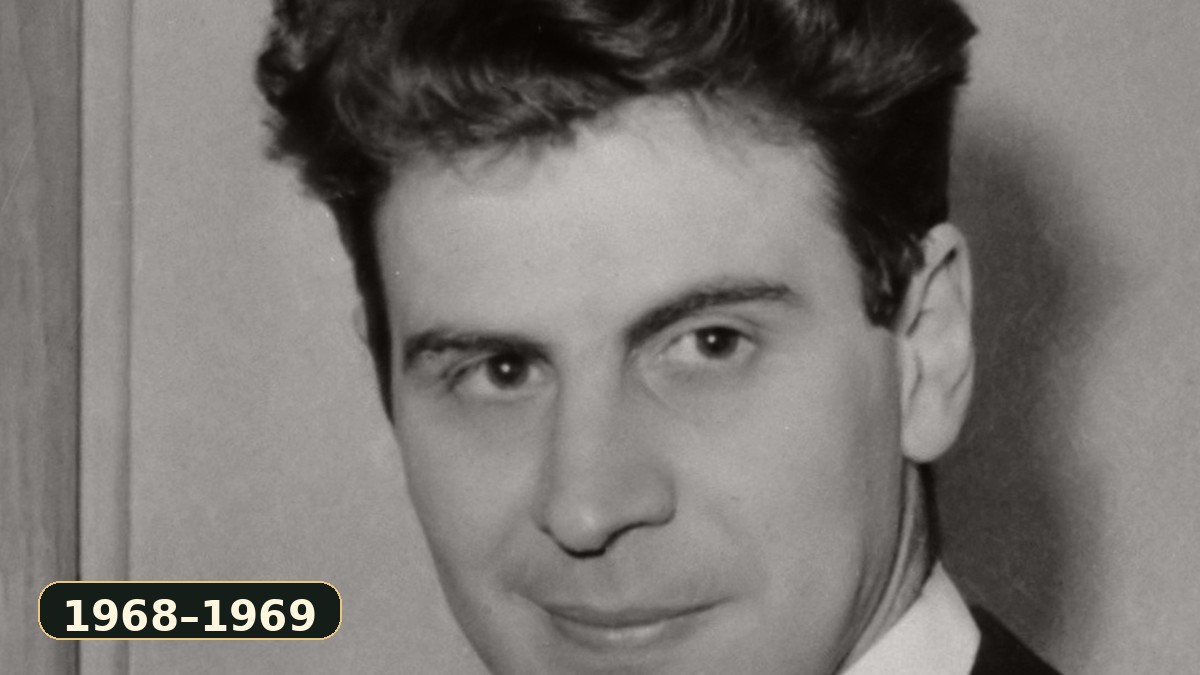
During the dictatorship, Mikis Theodorakis is exiled to nearby Zatouna from August 1968 to October 1969.
It adds a 20th-century cultural and democratic-memory chapter to the wider Dimitsana landscape.
Menalon Trail receives European certification
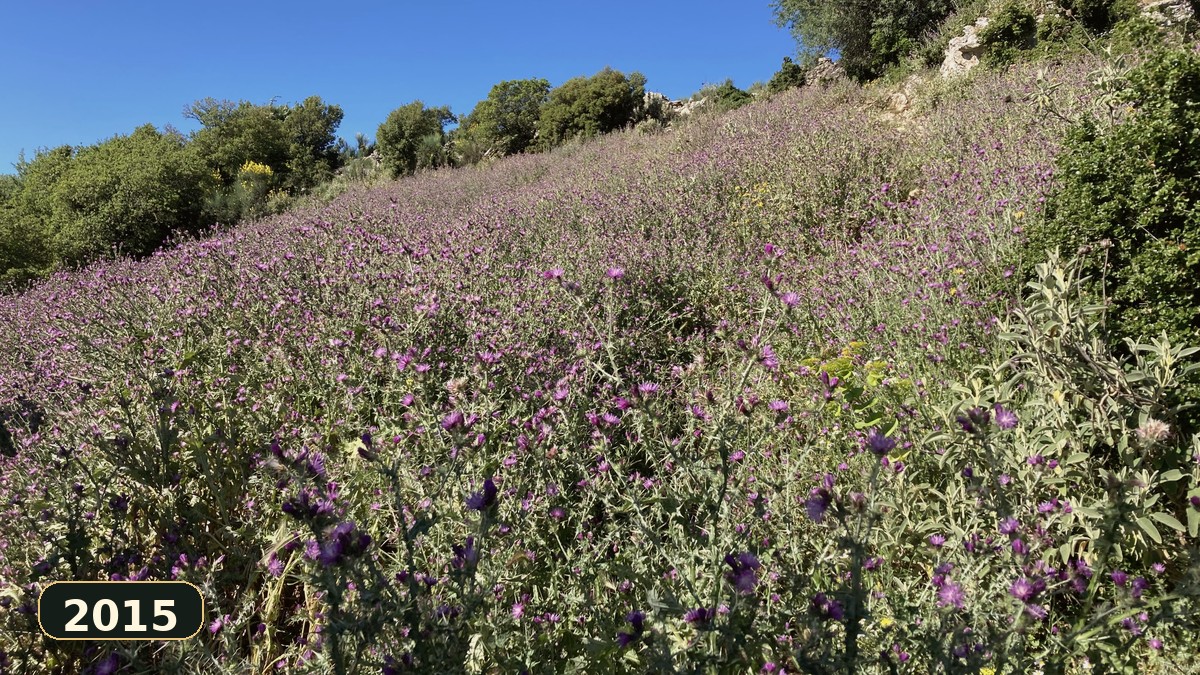
The Menalon Trail joins the European Leading Quality Trails network on 31 May 2015.
It connects Dimitsana’s heritage with contemporary walking tourism, landscape interpretation and sustainable discovery.
Dimitsana Clock Tower designated a monument
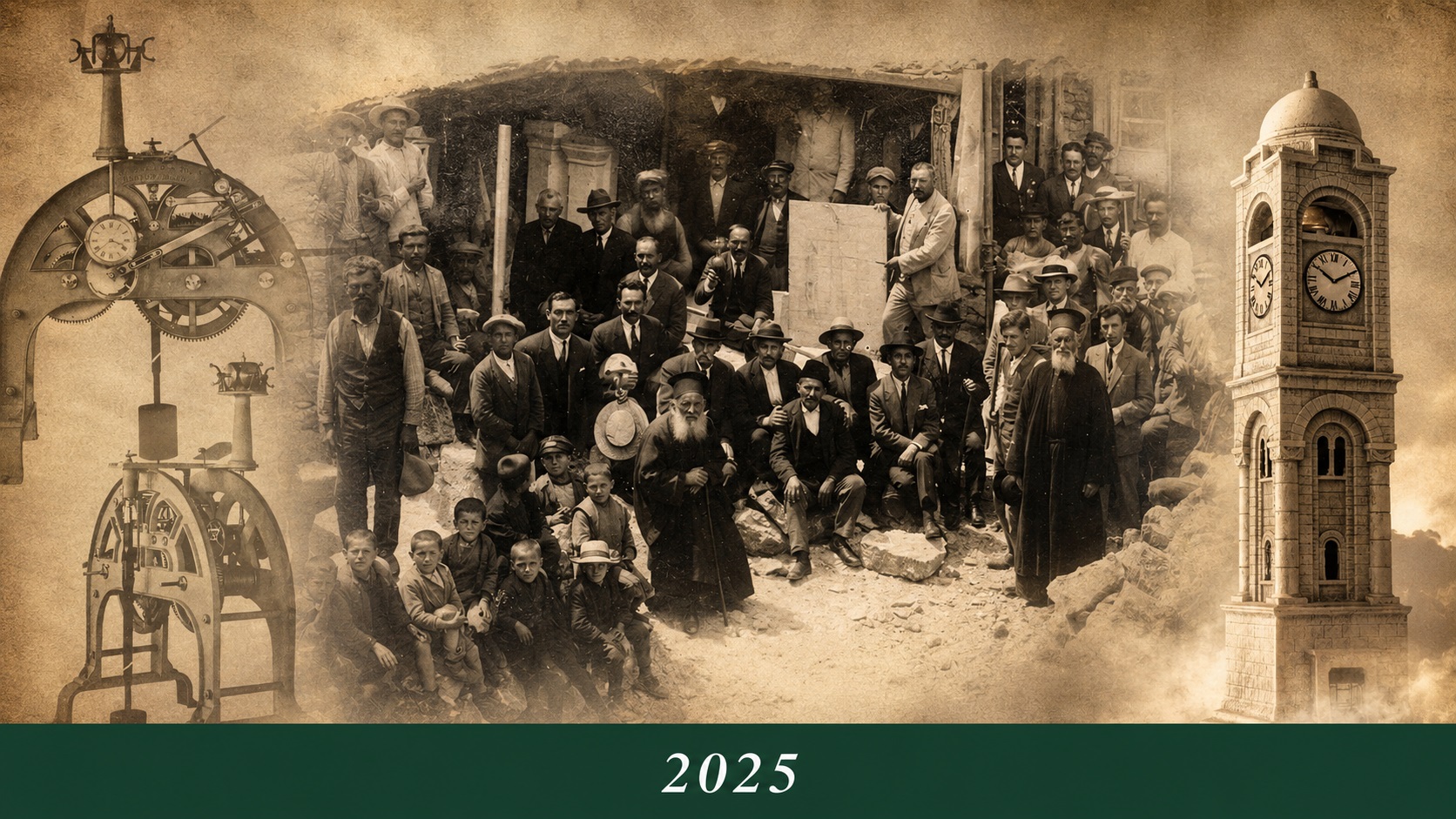
The Clock Tower of Dimitsana is officially designated a monument, recognizing its architectural, technical, artistic and symbolic value.
The 2025 designation transforms the Clock Tower from a beloved local landmark into an officially protected cultural monument.
Martyrdom of Philotheos Hatzis
Philotheos Hatzis, the Cypriot bishop of Dimitsana and member of the Filiki Eteria, dies in Ottoman imprisonment in 1821.
It adds a martyr figure to the Revolution story and connects Dimitsana with wider Greek and Cypriot Orthodox memory.
War Songs are published

The 1838 collection of patriotic songs preserves the martial and poetic memory of the Revolution.
It shows how the Revolution survived not only as battle history, but also as song, printed memory and public performance.
Kolokotronis’ Memoirs are printed

The 1846 publication of Kolokotronis’ memoirs turns revolutionary experience into documentary memory.
It anchors the 1821 story in a primary printed source and strengthens the Library’s role as a keeper of revolutionary memory.
The Battle of Dimitsana
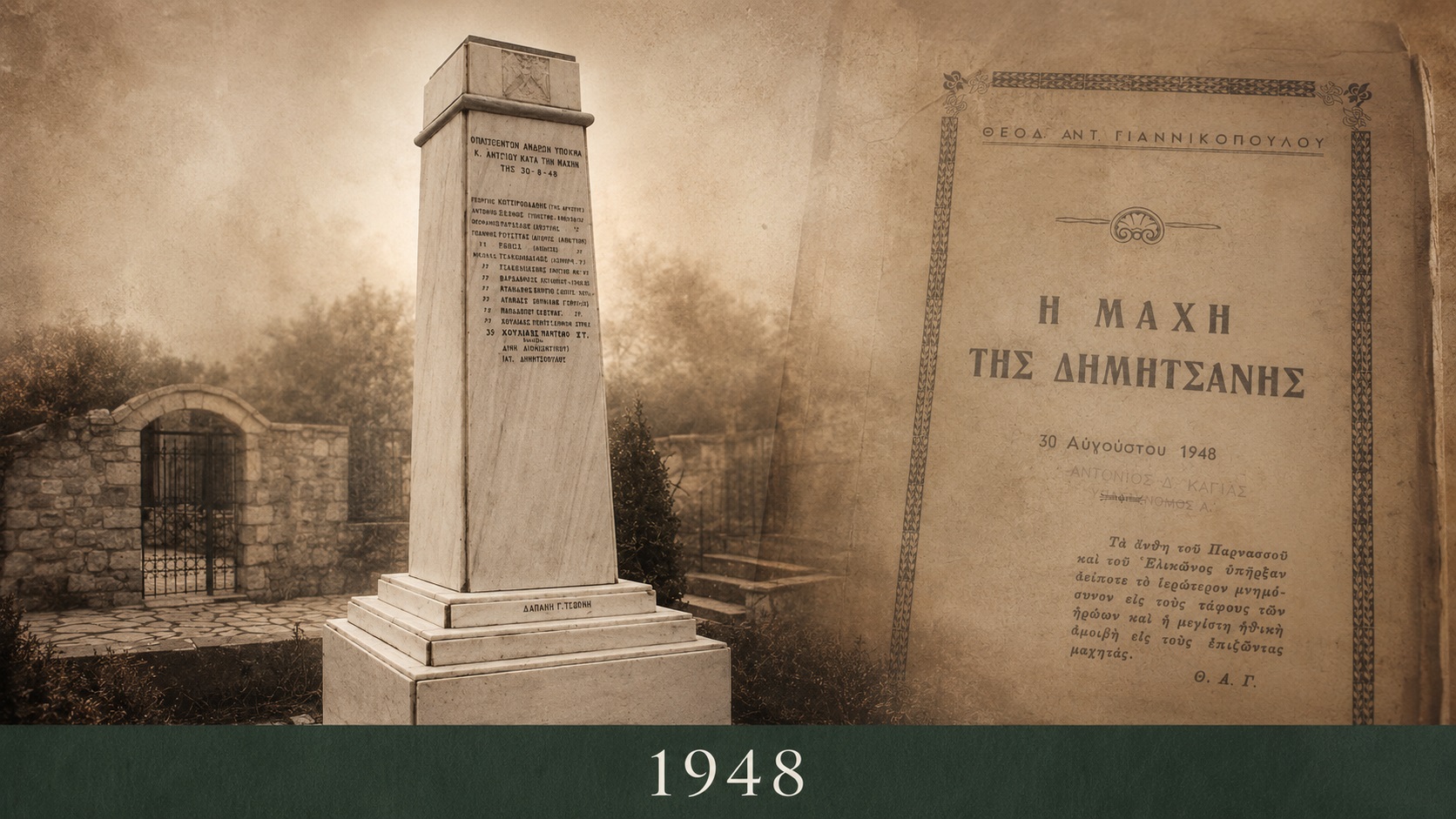
On 30 August 1948, during the Greek Civil War, forces of the Democratic Army in the Peloponnese attempted to capture Dimitsana. The fighting centered on key defensive positions such as Agia Paraskevi, the Castle and the settlement core, and ended with the attackers withdrawing without taking the town.
It marks one of Dimitsana’s most traumatic local episodes of the Greek Civil War and connects the village’s modern memory with difficult post-war narratives.
First issue of the newspaper “Dimitsana”

The first issue of the Brotherhood’s newspaper appears in December 1958, opening a long printed record of local memory.
It marks the beginning of a long-running newspaper archive that records modern Dimitsana across decades.