Guided experience
Revolution, gunpowder and memory
The 1821 story told through mills, books, people and sacrifice.
A focused route through the events that made Dimitsana one of the symbolic places of the Greek War of Independence.
Before you start
This story follows the road from local craft and education to revolutionary action, showing why Dimitsana’s gunpowder mills and people occupy such a strong place in historical memory.
Birth of Gregory V

Three-time Ecumenical Patriarch, executed in 1821, remembered as a saint and national martyr.
Gregory V links Dimitsana with the highest level of Orthodox leadership and with the martyr memory of 1821.
Gregory V becomes Ecumenical Patriarch
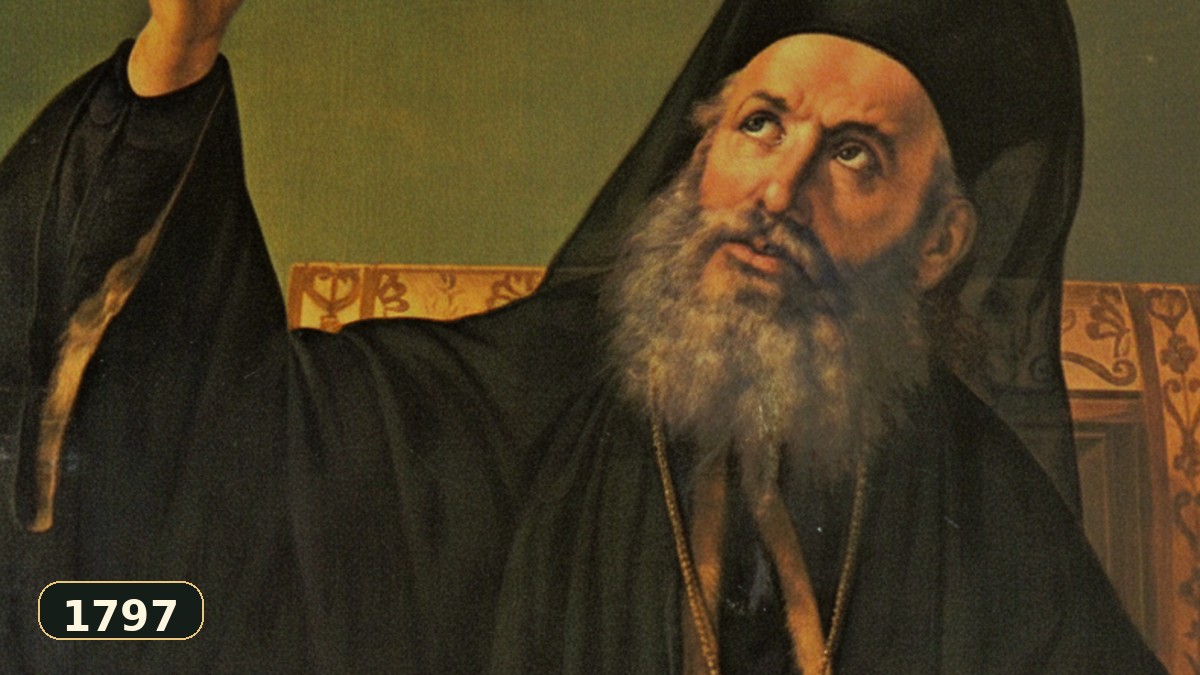
Gregory V, born in Dimitsana, is elected Ecumenical Patriarch of Constantinople for the first time.
It gives Gregory V’s Dimitsana story institutional weight before the tragedy of 1821.
Birth of Germanos of Old Patras

Archbishop who played a key role in the Greek War of Independence, blending diplomacy, faith, and action.
Germanos connects Dimitsana’s learned tradition with ecclesiastical leadership during the struggle for independence.
Birth of Nikolaos Makris — National Benefactor

Dimitsanite benefactor whose diaspora wealth supported education, public buildings and the modern profile of the village.
Makris represents the connection between migration, commerce, benefaction and the educational architecture of modern Dimitsana.
Dimitsana and the Filiki Eteria

Local elites and artisans inducted ahead of the Revolution.
It places Dimitsana inside the underground networks that prepared the Greek Revolution.
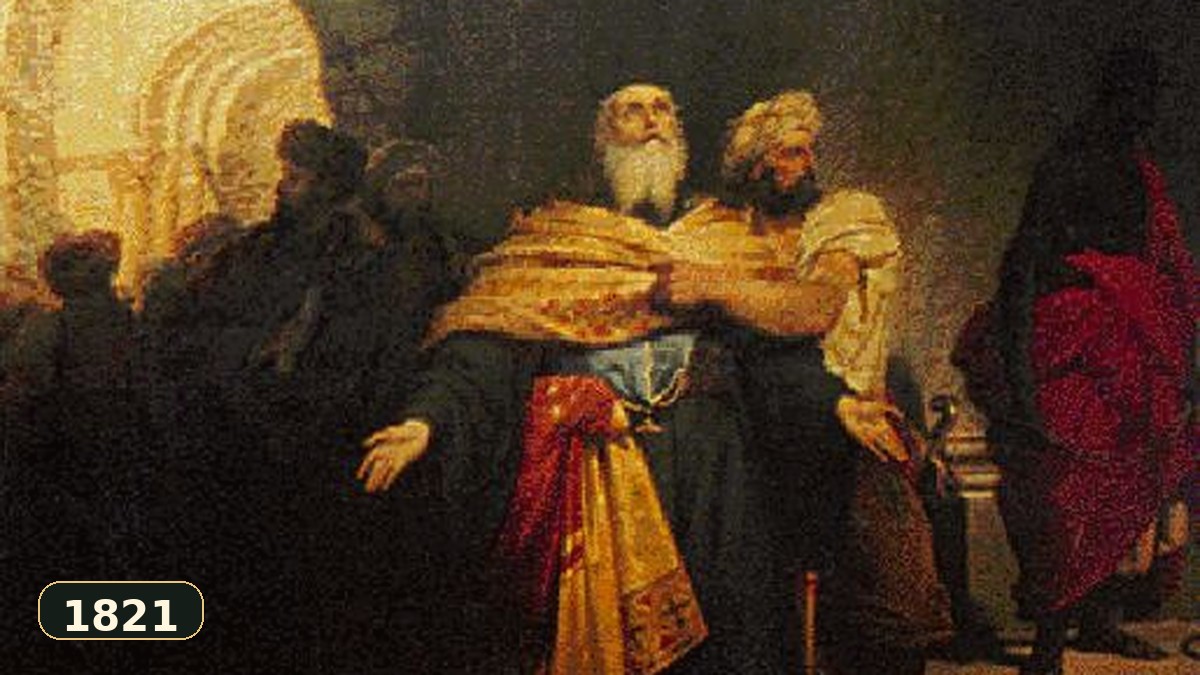
Martyrdom of Philotheos Hatzis
Philotheos Hatzis, the Cypriot bishop of Dimitsana and member of the Filiki Eteria, dies in Ottoman imprisonment in 1821.
It adds a martyr figure to the Revolution story and connects Dimitsana with wider Greek and Cypriot Orthodox memory.
Papaflessas studies at Dimitsana
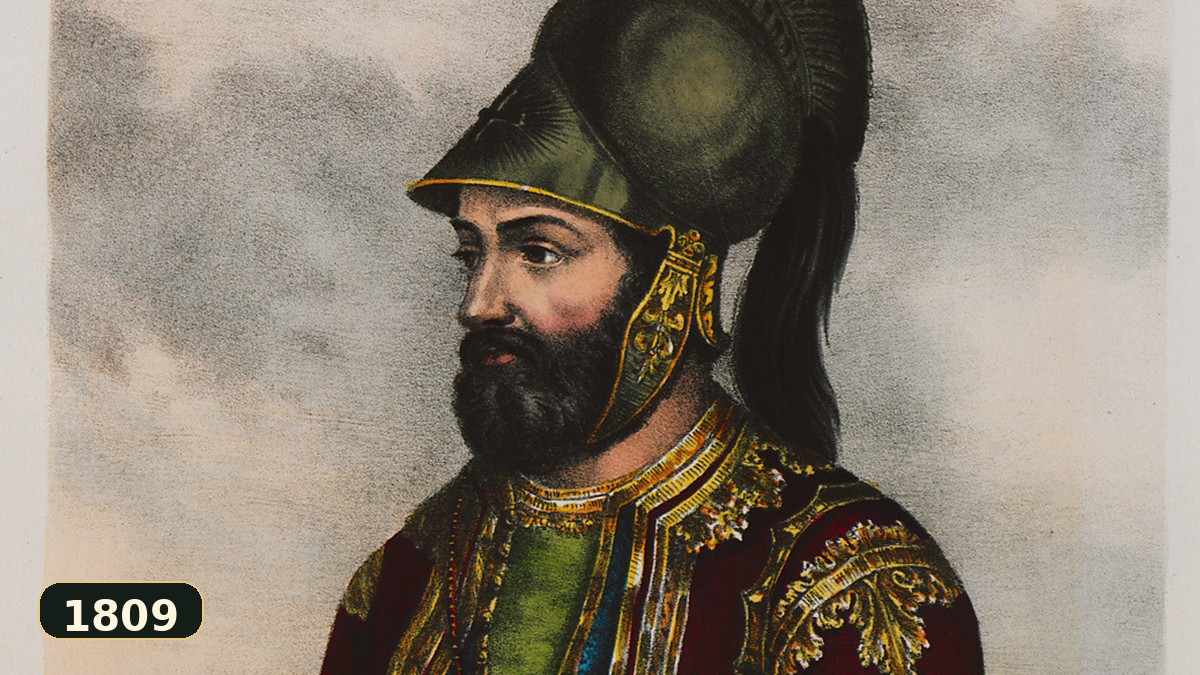
Georgios Dikaios, later Papaflessas, studies at the renowned School of Dimitsana.
It shows how the School of Dimitsana educated not only clergy, but future revolutionary personalities.
Spiliotopoulos brothers restart powder mills

Return from Hydra to renovate and operate the old mills.
The brothers connect local technical skill and family initiative with the material needs of the Revolution.
Martyrdom of Patriarch Gregory V
Patriarch Gregory V is executed in Constantinople on 10 April 1821, becoming a symbol of the Revolution’s sacrifice.
It is one of the strongest symbolic bridges between Dimitsana, Orthodoxy and the Greek Revolution.
Library paper used for cartridges

Kolokotronis and Fotakos recall Dimitsana’s sacrifice for the war effort.
It turns the Library from a passive collection into an active participant in the struggle, where books literally became material for liberation.
Panagiotis Kalas “Tsopanakos”

A folk satirical poet from Dimitsana whose verses preserve a popular voice of the revolutionary period.
He broadens the timeline from leaders and monuments to the spoken and sung culture of the people.
War Songs are published
The 1838 collection of patriotic songs preserves the martial and poetic memory of the Revolution.
It shows how the Revolution survived not only as battle history, but also as song, printed memory and public performance.
Kolokotronis’ Memoirs are printed

The 1846 publication of Kolokotronis’ memoirs turns revolutionary experience into documentary memory.
It anchors the 1821 story in a primary printed source and strengthens the Library’s role as a keeper of revolutionary memory.
Michael Oikonomou and Kolokotronis

Michael Oikonomou serves close to Theodoros Kolokotronis and later helps preserve the written memory of the Revolution.
It binds Dimitsana to the production of historical testimony, not only to the production of ammunition.
Death and Memory of Germanos of Old Patras
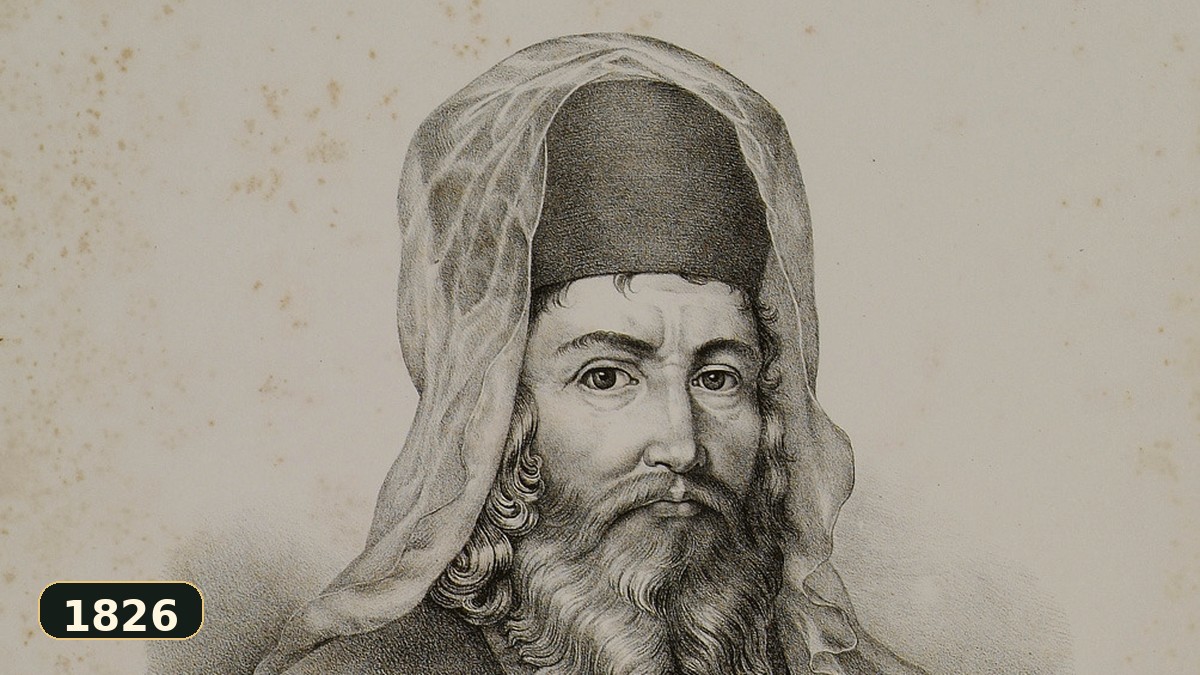
Germanos of Old Patras dies in 1826; Dimitsana preserves his house and revolutionary memory.
It closes the arc of one of Dimitsana’s central revolutionary church figures and binds his public role back to local memory.
The Lampadidromies custom begins

Oral testimonies connect the Dimitsana torch relay custom with students and March 25 celebrations from the 1930s.
It connects the Revolution of 1821 with living local tradition and the modern identity of the village.