Guided experience
Monasteries, learning and the Lousios
How faith, manuscripts and education shaped the cultural landscape.
Explore the monastic and educational network that connected Dimitsana with the Lousios Gorge and the wider Greek world.

Before you start
This guided story focuses on the spiritual and intellectual geography of Dimitsana: monasteries, schools, clergy and the continuity of learning.
Philosofou Monastery

One of Greece’s oldest monastic monuments.
It connects the Lousios Gorge with monastic life, learning, landholding and the long spiritual memory of the region.
First Mention of Dimitsana

A historic Arcadian town linking faith, learning, and the fight for freedom.
The early reference turns Dimitsana from a place of memory into a named historical community.
Early Hermitages at Prodromos Monastery
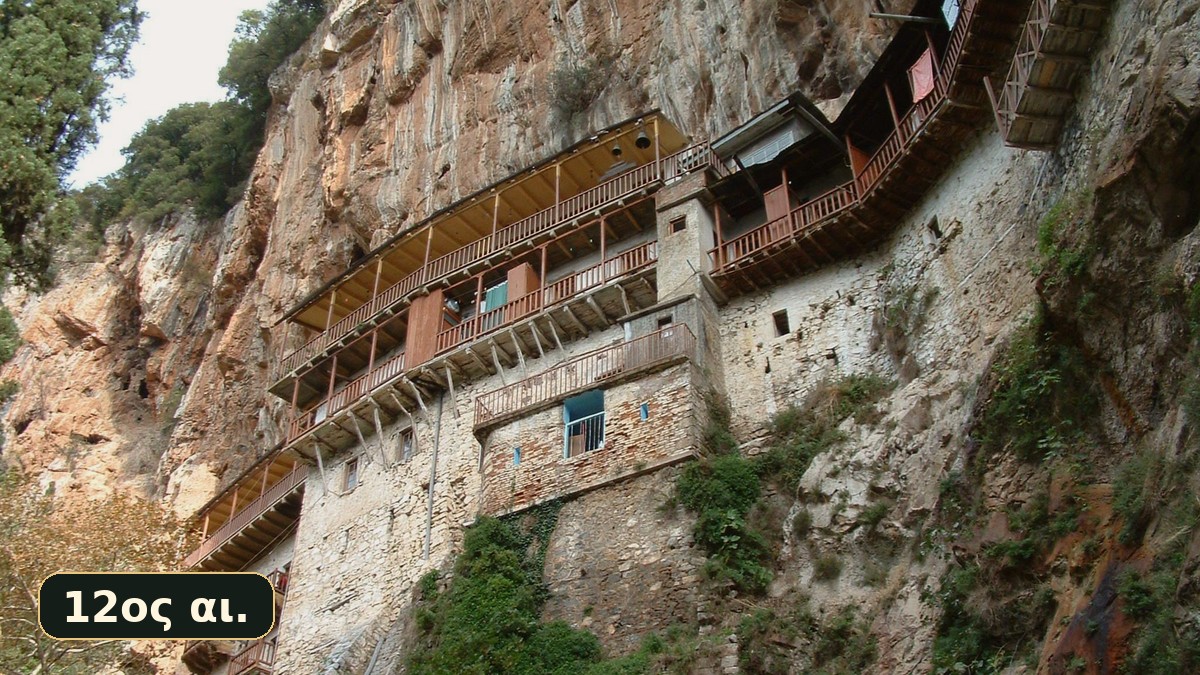
The Prodromos site preserves memories of earlier hermitages and a church tradition reaching back to the medieval Lousios.
It explains why the Lousios cliffs became a long-lived monastic landscape before the better-documented post-Byzantine monastery.
St. John Prodromos Monastery
A cliffside monastic refuge with centuries of spiritual history in the Lousios Gorge.
The cliffside monastery shows how the gorge became a protected landscape of worship, refuge and continuity.
Aimialon Monastery

A 17th-century cliffside monastery blending spiritual devotion, local lore, and heroic sacrifice.
Its 17th-century foundation broadens the monastic network that shaped the religious geography around Dimitsana.
Theophanes III of Jerusalem

The Dimitsanite Theophanes Karakallos becomes Patriarch of Jerusalem, expanding the village’s ecclesiastical story beyond 1821.
It shows that Dimitsana’s ecclesiastical influence was already visible in the early Ottoman centuries.
The New Philosophou Monastery
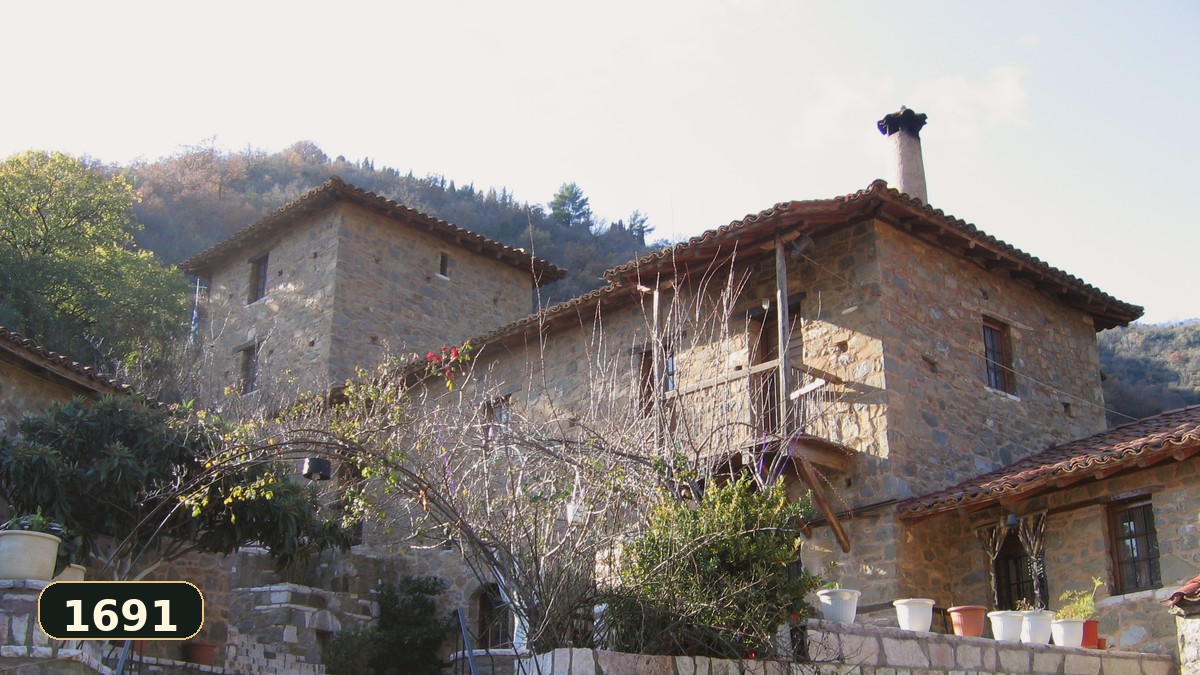
The newer katholikon of Philosophou Monastery is founded in 1691 and decorated in 1693.
It shows the continuity of the Philosofou tradition from the rock-cut monastery to a later organized monastic complex.
Dimitsana School Founded

From monastic learning to an organized educational institution in 18th-century Dimitsana.
It marks the moment when Dimitsana became a major center of Greek letters, linking monastic learning, community patronage and revolutionary-era education.
Papaflessas studies at Dimitsana
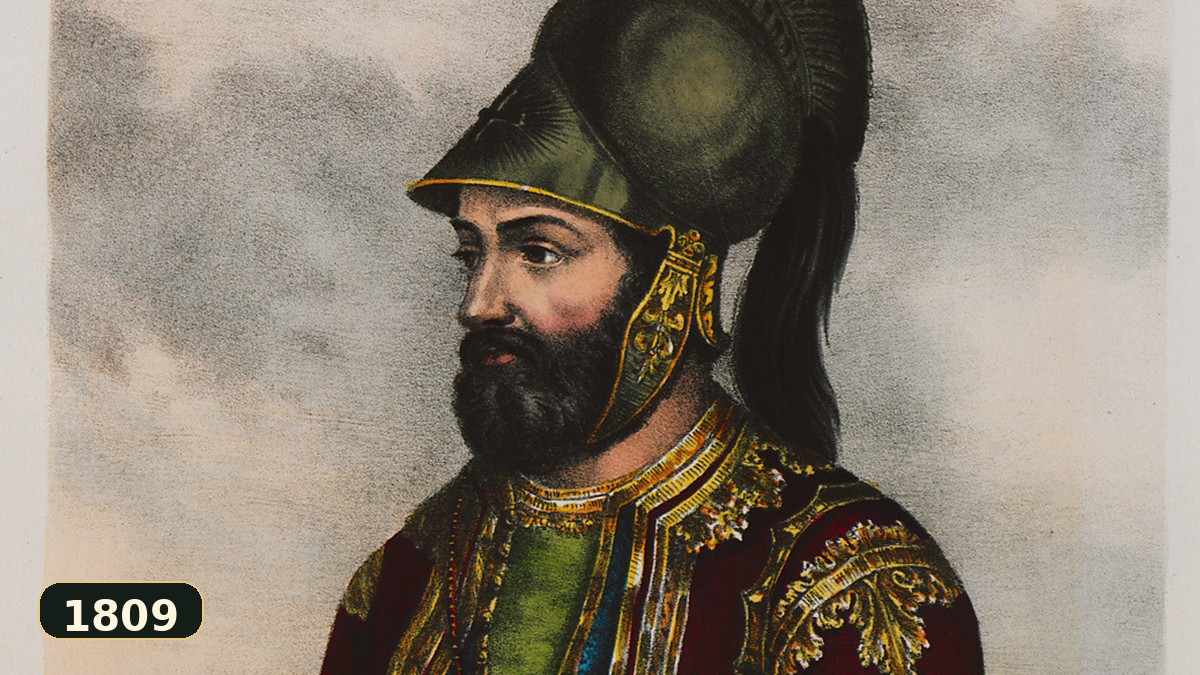
Georgios Dikaios, later Papaflessas, studies at the renowned School of Dimitsana.
It shows how the School of Dimitsana educated not only clergy, but future revolutionary personalities.
Early Greek-State Reforms and Prodromos Monastery
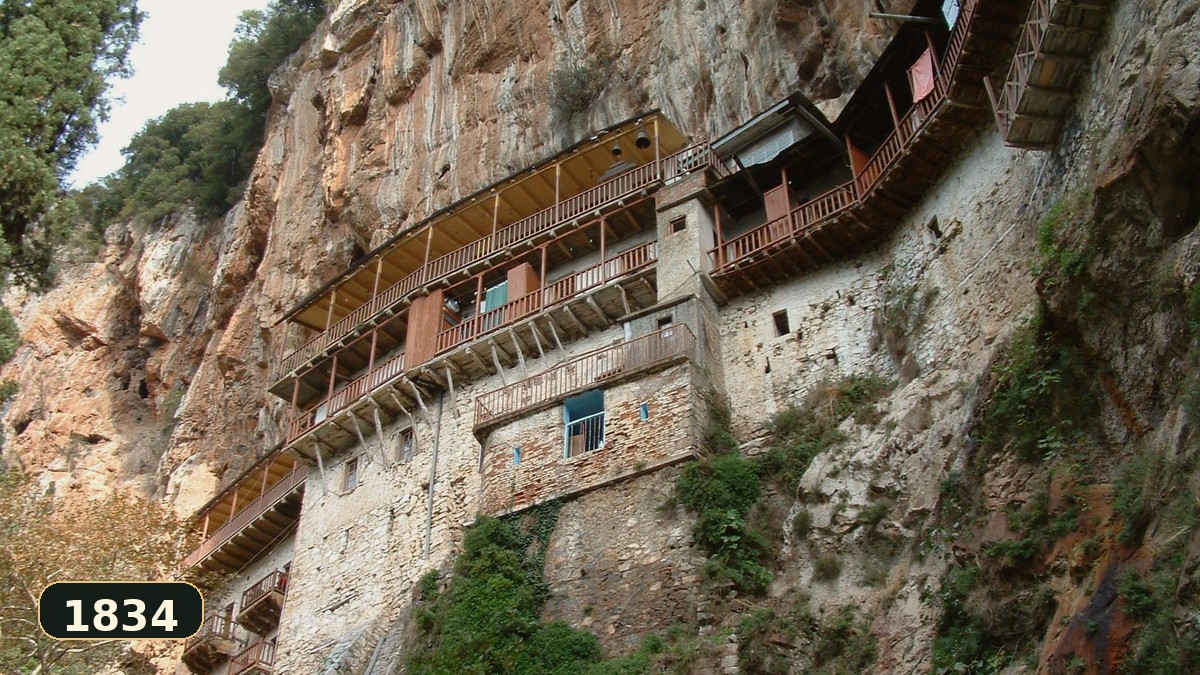
The monastery enters the difficult period of early Greek-state monastic reforms and later survival.
It shows that the monastic monuments survived not only Ottoman rule and revolution, but also the administrative transformations of the new Greek state.